Dealing with internet perceptions in Africa.

Internet access is still restricted in many African areas, although it is becoming more widely accessible. However, many residents in these communities are unfamiliar with how to utilise the internet. To overcome this knowledge gap, effective educational initiatives that may assist people in these areas in making the most of this valuable tool are needed.
Understanding the local environment is one technique for teaching African communities about internet use. Understanding the particular issues that people in these communities experience, such as language difficulties, limited access to technology, and the need for inexpensive and dependable internet connection, is essential.
When the significant effect is understood, educational programmes that are customised to the requirements of the community may be designed. These programmes may be given in a number of formats, such as in-person seminars, e-learning, and mobile apps. In many regions across the globe, the internet has become a crucial element of everyday life, offering information access, entertainment, and communication. However, the web remains a pretty modern notion in African communities. Many individuals in these areas have minimal access to technology, and various people have varied perspectives on the internet.

Among the most common perceptions of the internet in African communities is as an educational tool. Many people in these areas regard the internet as a resource for learning about anything from healthcare and agriculture to news affairs and world affairs. They feel that the internet will assist them in learning new skills, expanding their knowledge, and improving their life
Furthermore, not all opinions on the internet in African communities are favourable. Some individuals see the internet as a danger to their way of life. They feel it exposes young people to bad influences including violence, immorality, and drugs. Some people are also concerned that the internet may cause them to lose their traditional identity and heritage.
Additionally, there is a widespread belief that the internet is prohibitively costly and unavailable. Most people in African communities do not have access to the internet, and those who do must often pay exorbitant prices. As a result, many people believe that the internet is a luxury accessible exclusively to a select few.
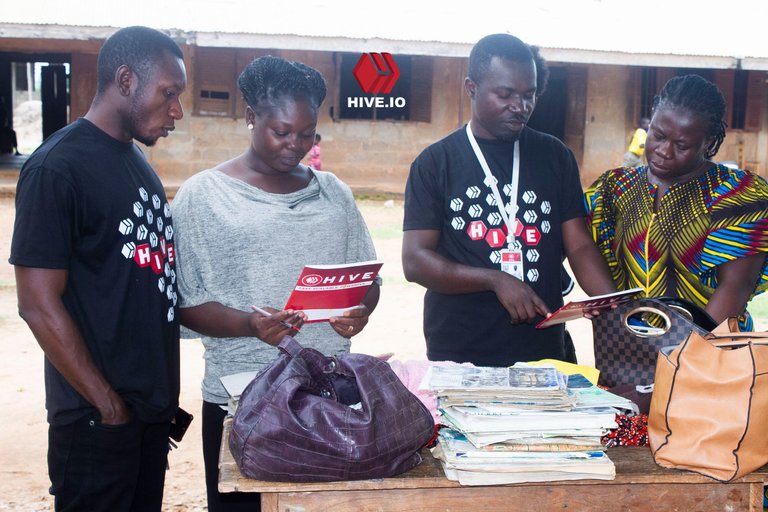

Several initiatives may be made to enhance internet perceptions in African communities. To begin, more investment in internet infrastructure is required, particularly the provision of inexpensive and dependable internet access. This will contribute to ensuring that everyone has an internet connection.
Next, efforts should be made to publicise the internet's good qualities, such as its capability for knowledge, collaboration, and cultural interaction. This will assist to change people's attitudes about the internet and encourage them to utilise it more. Furthermore, more education on online safety and computer literacy is required. This will assist to address issues about the internet's harmful consequences and guarantee that people can use it safely and responsibly.
However, attitudes about the internet in African communities are complicated and diverse. While some regard it as a tool for education and connection, others see it as a threat to traditional values and a luxury accessible only to a select few. To change these attitudes, more investment in internet connectivity is needed, as well as initiatives to promote the good features of the internet and education on cybersecurity and digital skills.

Community-based projects are one excellent technique to educate African communities about internet use. These programmes may be conducted by community leaders, who can collaborate with local educators to provide training courses that are appropriate to the community's needs. These programmes may also be provided in community centres, schools, or other public places, making it easier for individuals to get training.
A further method is to create online classes that may be accessed at any time and from any location. These courses may be constructed in collaboration with local instructors to be dynamic, engaging, and suited to the requirements of the community. Online courses may also be made available in several languages, allowing them to reach a greater audience.
For me, I think the internet has been so much abused in this part of our world, especially in Tamale. There are so many negative stuffs associated with the internet solely because of how we use the internet here. Anyone seriously associated with the internet here is seen as a fraud person due to how the majority of people here use the internet.
If we continue
We certainly have to correct these perceptions with time.
Surely. It’ll be a huge failure on our part if we allow this current perception and abuse to discourage subsequent generations to realize the ultimate significance of the almighty internet.
I think we all have a responsibility and we must begin the sensitization NOW!
Well said Bro, even though internet has being in existence for long time yet many African Communities find it very difficult to use. That is the more reason why smart phones and internet services are not effectively used by many people in Africa. My pleasure for this message.
Thanks for passing by.