[ENG/ESP] Adventures on the Jaruco Stairs



 ]
]
[ ]
]
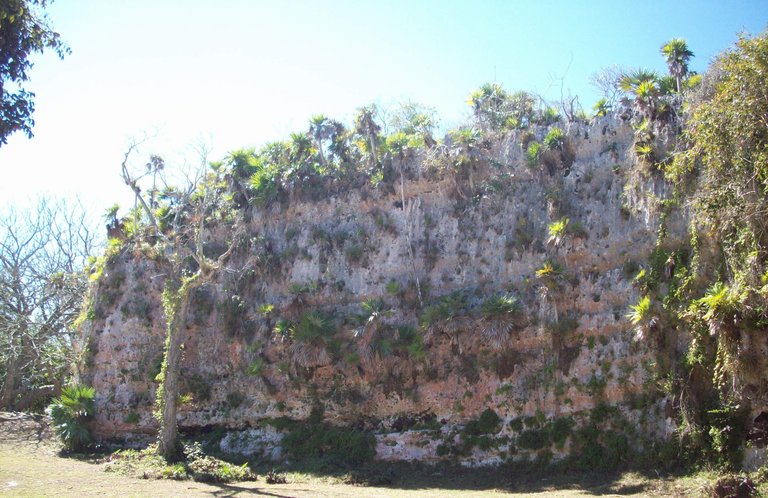
The imposing hill greets us, like a giant limestone book. Our colleagues from the Institute, with their geologist's hammers, rust-stained notebooks, and magnifying glasses, quickly point out the obvious: we are looking at a textbook karst landscape. Here, water has dissolved the rock for millions of years, creating cracks, sinkholes, and those natural terraces we call staircases.

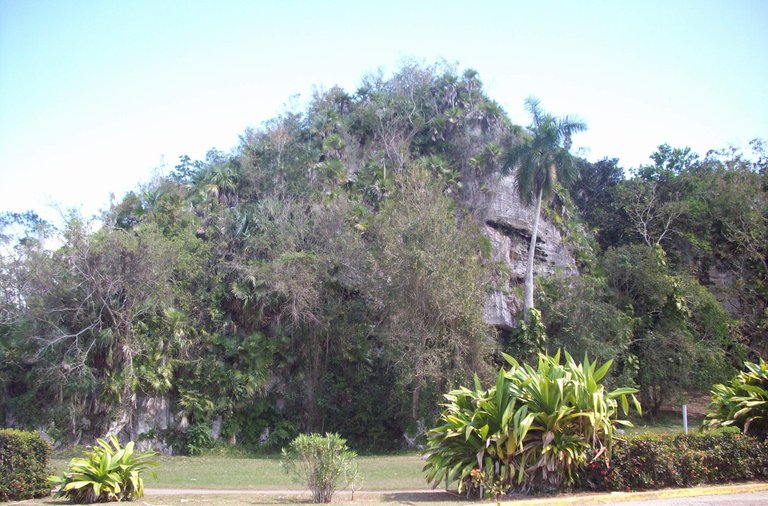

The canyon opens up like a twin sister of the Yumurí, but more intimate, more secret. The mogote formations, eroded by water and time, display limestone walls up to 300 meters high. Dissolving drop by drop, the calcium carbonate has created an open-air museum: fossilized shark teeth, Oligocene marine mollusk shells embedded in the rock. Here, the ancient sea left its testament.
We walk along the natural staircase—hence its name—that descends in gigantic steps. We arrive at the intramontane valley. The brown soils with carbonates, rich in calcium and magnesium, support lush vegetation. The farmers call this land "black," but on our geosoil map, it's an iron-rich, alkaline Rendzina, perfect for growing coffee and cassava. We stop to take samples: high organic matter, ideal moisture retention, porous and rounded structure.
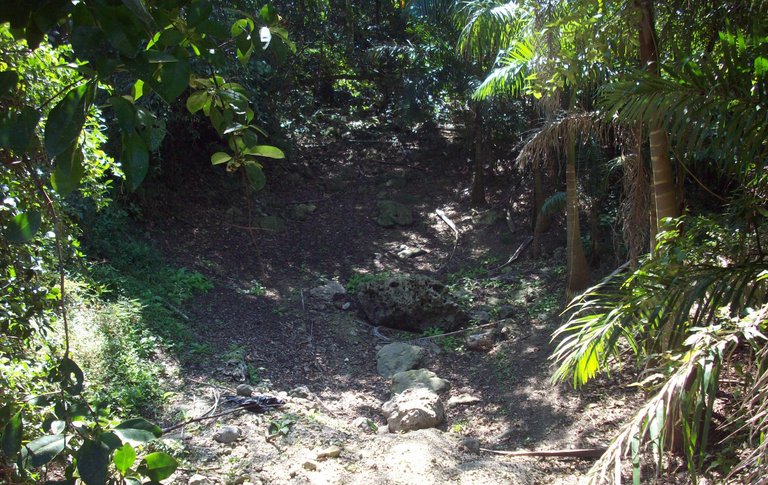


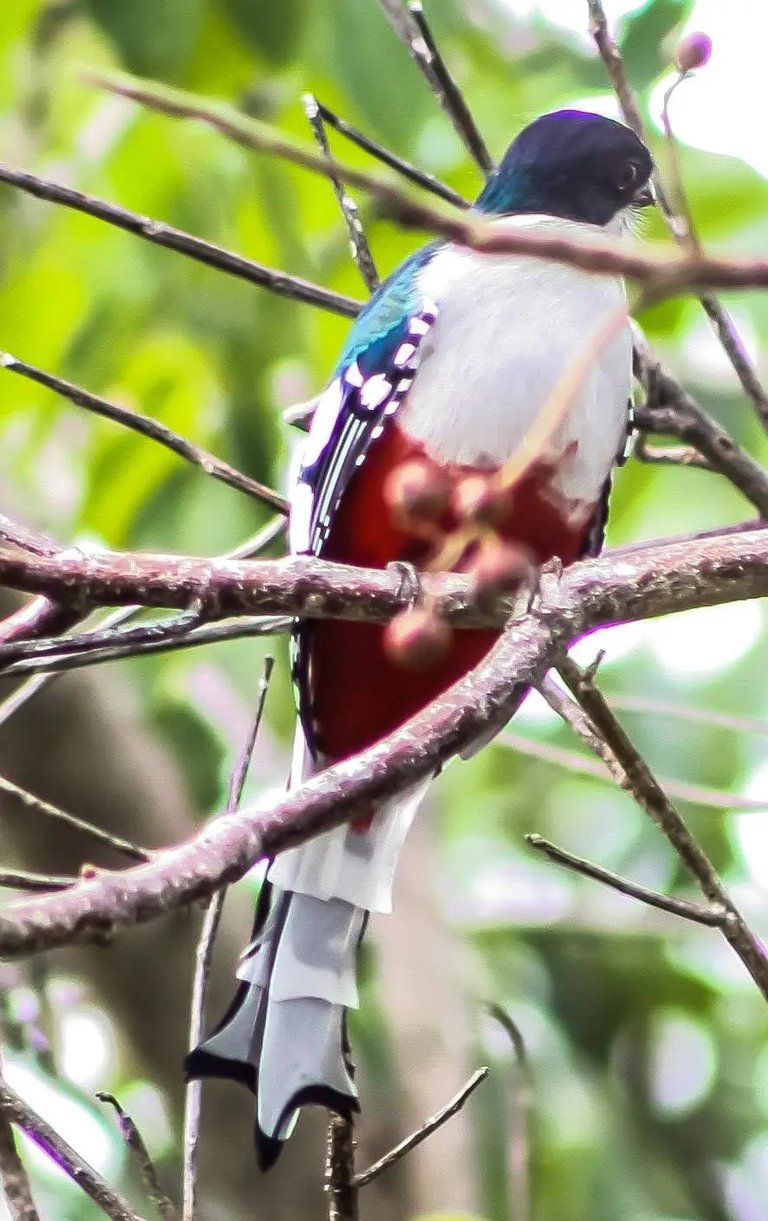
Biodiversity surrounds us. The Jaruco palm, endemic and elegant. Giant ferns in the damp crevices. Tiny orchids that only this microclimate allows. We hear the Cuban trogon and, if we're lucky, the metallic song of the Cuban woodpecker.
We descended carefully because, although the name sounds glorious, the stairs were as slippery as a soap slide. The group's guide—a young paleontologist obsessed with fossil mollusks—stopped us in front of a boulder: “Look! Rudists. They were giant clams from the Cretaceous period.” We all bowed our heads to venerate the rock, and someone blurted out: “They look like burnt bread.” The scientific silence was broken by laughter. That's field geology for you: a balance between wonder and a bad joke.


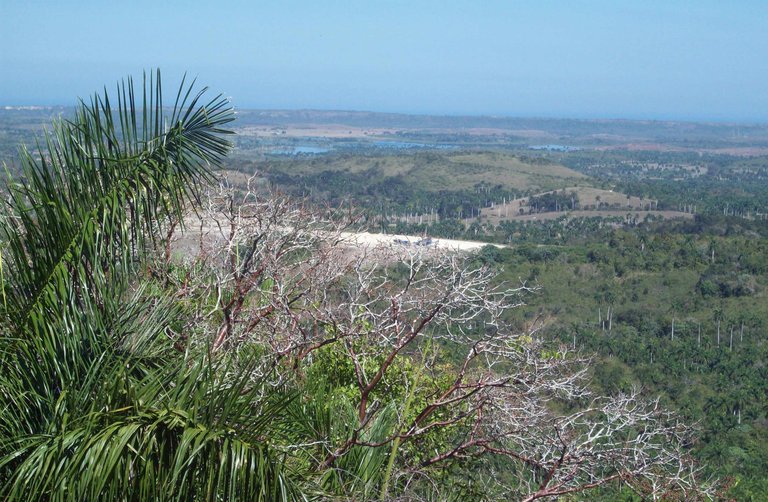
From the top, the view is a gift: the northern plain, the changing green hues of the forests, and below, the valley that holds centuries of erosion. The researchers explain to me that each step represents an ancient water table, a surface where water sculpted the stone. “It’s as if nature built a staircase for giants to come down and bathe,” jokes the speleology specialist.
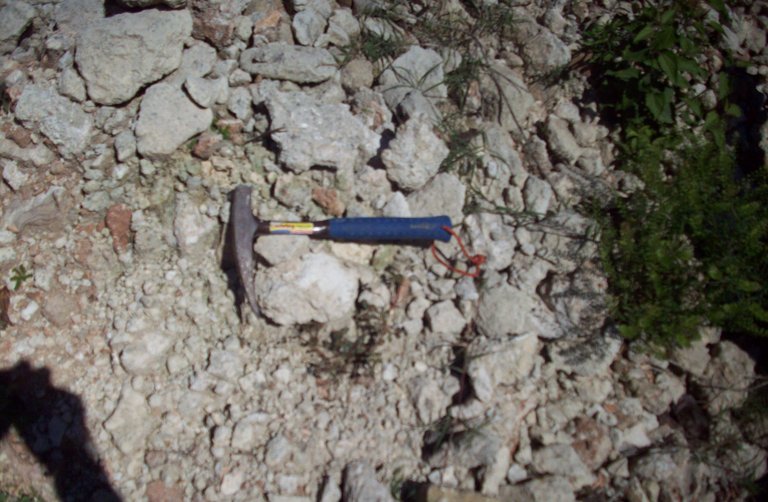
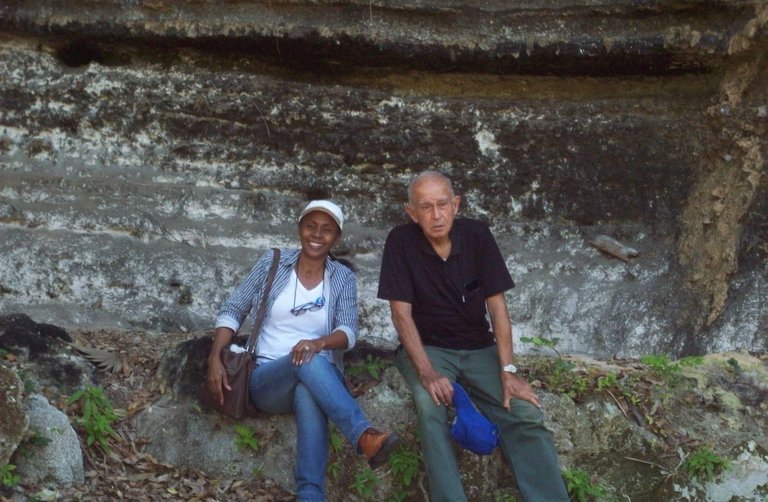
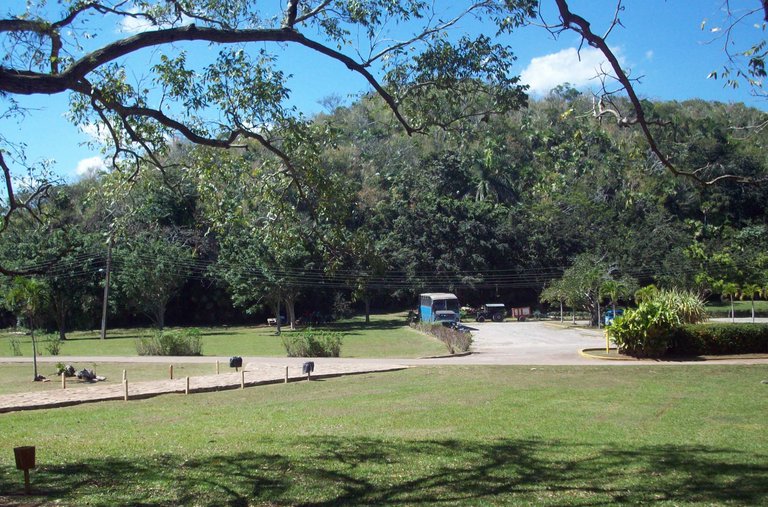
Before returning, the sun filters through the mogotes. The stairs then resemble a stone organ touched by the light. We think about what this landscape holds: clays for pre-Columbian pottery, caves with barely studied rock paintings, marine fossils that prove a submerged Caribbean.
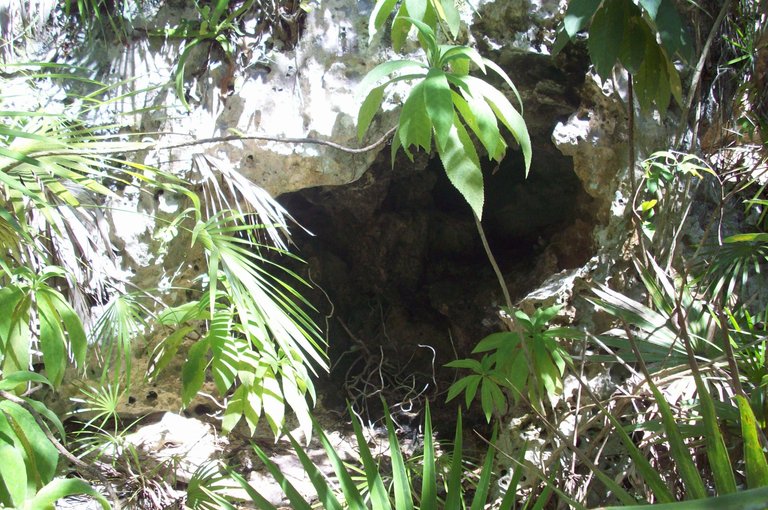

Jaruco is not just a geological site. It's a vertical lesson in how water, time, and life intertwine in rock and soil. We close our notebooks, but open our senses. More work tomorrow. Today we take with us the freshness of its valley and the flavor of its bountiful land.
Credit: I used DeepL Translate.
The photos are my own.
ESPAÑOL
Amanece en la provincia Mayabeque. Nuestro equipo de geólogos, paleontólogos y un par de entusiastas de la recreación, parte hacia las Escaleras de Jaruco, un milagro kárstico esculpido durante millones de años. El olor a tierra mojada y monte nos recibe antes de pisar el primer peldaño natural.
El mogote nos recibe imponente, como un libro gigante de piedra caliza. Los colegas del Instituto, con sus martillos de geólogo, libretas manchadas de óxido y lentes de aumento, no tardan en señalar lo evidente: estamos ante un paisaje kárstico de manual. Aquí el agua ha disuelto la roca durante millones de años, creando grietas, dolinas y esas terrazas naturales que llamamos escaleras
El cañón se abre como una hermana gemela del Yumurí, pero más íntima, más secreta. Las formaciones de mogotes erosionados por el agua y el tiempo despliegan paredes calizas de hasta 300 metros. Disolviéndose gota a gota, el carbonato de calcio ha creado un museo al aire libre: dientes de tiburón fósil, conchas de moluscos marinos del Oligoceno incrustadas en la roca. Aquí el mar antiguo dejó su testamento.
Caminamos por la escalinata natural —de ahí su nombre— que desciende en graderías gigantescas. Llegamos al valle intramontano. Los suelos pardos con carbonatos, ricos en calcio y magnesio, sostienen una vegetación exuberante. Los campesinos llaman a esta tierra "negra", pero en nuestro mapa geoedafológico es un Rendzina férreo, alcalino, perfecto para el cultivo del café y la yuca. Nos detenemos a tomar muestras: alta materia orgánica, retención de humedad ideal, estructura porosa y redondeada.

La biodiversidad nos envuelve. Palma barrigona de Jaruco, endémica y elegante. Helechos gigantes en las grietas húmedas. Orquídeas diminutas que solo este microclima permite. Escuchamos el tocororo y, si hay suerte, el canto metálico del carpintero churroso.
Bajamos con cuidado porque, aunque el nombre suena a gloria, las escaleras resbalan como tobogán de jabón. El guía del grupo —un joven paleontólogo con obsesión por los moluscos fósiles— nos detiene frente a un bloque: “¡Miren! Rudistas. Eran unos almejotes gigantes del Cretácico”. Todos agachamos la cabeza a venerar la roca, y alguien suelta: “Parecen panes quemados”. El silencio científico se rompe con risas. Así es la geología de campo: un equilibrio entre el asombro y el chiste malo.
Desde lo alto, la vista es un regalo: la llanura del norte, los cambiantes tonos verdes de los bosques y, abajo, el valle que guarda siglos de erosión. Los investigadores me explican que cada escalón representa un nivel freático antiguo, un espejo donde el agua jugó a tallar la piedra. “Es como si la naturaleza hubiera construido una escalera para que los gigantes bajaran a bañarse”, bromea la especialista en espeleología.
Antes de regresar, el sol se filtra entre los mogotes. Las escaleras parecen entonces un órgano de piedra tocado por la luz. Pensamos en lo que guarda este paisaje: arcillas para cerámica precolombina, cavernas con pinturas rupestres apenas estudiadas, fósiles marinos que prueban un Caribe sumergido.
Jaruco no es solo un sitio geológico. Es una lección vertical de cómo el agua, el tiempo y la vida se abrazan en roca y suelo. Cerramos libretas, pero abrimos los sentidos. Mañana más trabajo; hoy nos llevamos el frescor de su valle y el sabor de su tierra generosa.
Crédito: He utilizado el traductor DeepL Translate.
Las fotos son de mi propiedad.
You can check out this post and your own profile on the map. Be part of the Worldmappin Community and join our Discord Channel to get in touch with other travelers, ask questions or just be updated on our latest features.
Thanks you very much. Blessings.
Hiya, @gabrielatravels here, just swinging by to let you know that this post made it into our Honourable Mentions List in Travel Digest #2925.
Your post has been manually curated by the @worldmappin team. If you like what we're doing, please drop by to check out all the rest of today's great posts and consider supporting other authors like yourself and us so we can keep the project going!
Become part of our travel community:
Sending you Ecency curation votes.😉

Thank you for your support, help and recognition of this work, which I greatly appreciate. Have a lovely day. Best wishes.
Saludos @tonyes, hermosa vista del Jaruco y sus lindos jardines, pero definitivamente el ave es mi favorito, sus plumas coloridas me encantan, todo un modelo posando para la foto.
Feliz fin de semana!