Xylitol, The Good Artificial Sweetener For Your Health

Xylitol is a word that you might be familiar with if you read the labels on chewing gum. In case you are in the dark about it, it is an artificial sweetener added to it. Evidence has shown that this sweetener can do a lot of good for our health, including managing blood sugar, fighting infection, and reducing preterm birth.
The compound is a naturally occurring sugar alcohol found in mushrooms, fruits, and other plant materials. We have been consuming this center for a while now, at least since the 20th century, and we have been increasing the amount in different things since it is labeled safe for humans. However, while it is safe for humans, it can be unsafe for some animals, like dogs.
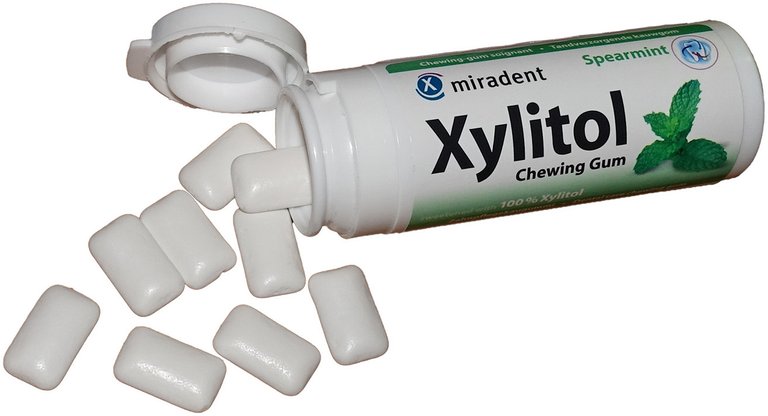
Compared to table sugars, sugar alcohol is broken down slowly in the body making its absorption in the body to be less efficient. So while it has a large amount of calories, its absorbed calorie is smaller compared to that of table sugar. Also, it has been proven to be very good for our health such as our gum.
Xylitol has been proven to prevent cavities in both young and adults. Study shows that the compound prevents the growth of bacteria that could cause tooth cavities as it gets into their cell walls and destroys their metabolism causing them to run out of energy instead of releasing acids that will destroy the cavity like when they feed on sucrose. Xylitol helps prevent demineralization and increase mineralization in the mouth by allowing calcium to stay longer on teeth before going into the digestive tract.


Just like it has a great effect on the mouth, it also has on bones. Our bones are a combination of making new ones as old ones get destroyed. When the destroying process of the bone is higher than the rebuilding process of the bone, it leads to conditions like osteoporosis or arthritis with xylitol, there is increased acidity in the gut, allowing calcium and other minerals that will be useful for bone rebuilding to be absorbed into the bloodstream and to the bone. Also, a study on rats showed that applying xylitol topically on bones could also improve bone density and rebuild bones.
When it comes to digestion, xylitol plays a big role as well as it is good for the gut. Since our body cannot digest xylitol quickly, it requires the help of prebiotics that help break it down to short-chain fatty acids which help in balancing the pH of the colon, absorption of water and minerals, and the feeding of healthy gut microbes.
When it comes to blood sugar, xylitol helps with the secretion of insulin to the right dose to help process glucose and help diabetic patients maintain insulin at a healthy range. Also, xylitol stimulates the immune system and helps in controlling obesity and glycemia. When next you enjoy that xylitol chewing gum, be rest assured that you are doing a health great favor but remember that everything should be done in moderation.
FOR FURTHER READING
https://pmc.ncbi.nlm.nih.gov/articles/PMC4232036/
https://pmc.ncbi.nlm.nih.gov/articles/PMC6909417/
https://pmc.ncbi.nlm.nih.gov/articles/PMC5093271/
https://pmc.ncbi.nlm.nih.gov/articles/PMC7828005/
https://link.springer.com/article/10.1007/s00253-020-10708-7
https://pmc.ncbi.nlm.nih.gov/articles/PMC5093271/
https://pmc.ncbi.nlm.nih.gov/articles/PMC6723878/
https://journals.lww.com/jpcd/fulltext/2022/12020
https://www.merckvetmanual.com/toxicology/food-hazards/xylitol-toxicosis-in-dogs
Thanks for your contribution to the STEMsocial community. Feel free to join us on discord to get to know the rest of us!
Please consider delegating to the @stemsocial account (85% of the curation rewards are returned).
Thanks for including @stemsocial as a beneficiary of this post and your support for promoting science and education on Hive.