Did You Know Period Suppression Is A Thing?

I heard about menstrual suppression and it got me to ask questions because as a lady I haven't tried it before and one might want to think that suppressing menstruation can come with a lot of effects. So I decided to write about it today.
Menstruation is part of our life as humans and without it, we are unable to reproduce and interestingly, we have been having more periods lately than we used to in the past with 2.8 times more than in the past which has been attributed to the less time spent in pregnancy and breastfeeding. As a woman, you can tell that period times are very stressful times and are unpleasant. When people say that time of the month, they know what they are saying because it can come with cramps, mood swing, pain, and a lot of other unpleasant experiences.
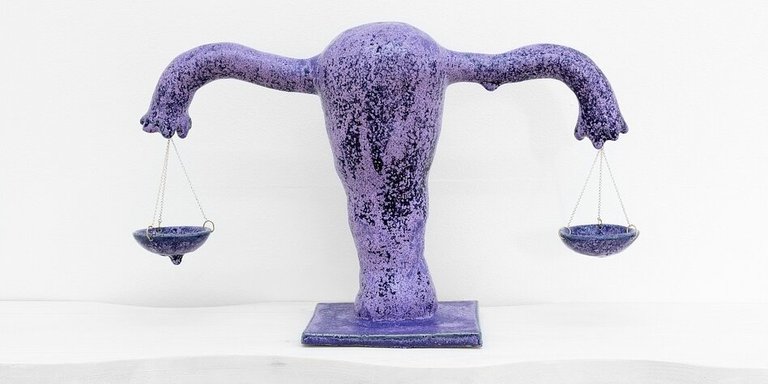
People have learned that using birth-control pills do not only prevent pregnancy but also reduces periods as we know that birth control pills interact with menstruation. Some people do not need contraceptives, they just skip periods and go into an Amenorrhea state but this isn't a good thing with a lot of people going into this state because the body isn't getting the required nourishment and rather focuses its hormonal resources on the body rather than potential pregnancy.
In the case of using contraceptives to reduce period, it is a different thing and for people with conditions like fibroid, endometriosis, and people with heavy bleeding, it might be a solution which is welcomed but people with normal period flow people decide to do them for multiple reasons with one being not being in the right place, and right time for the flow and this is common in professionals like astronauts, and women in the military.
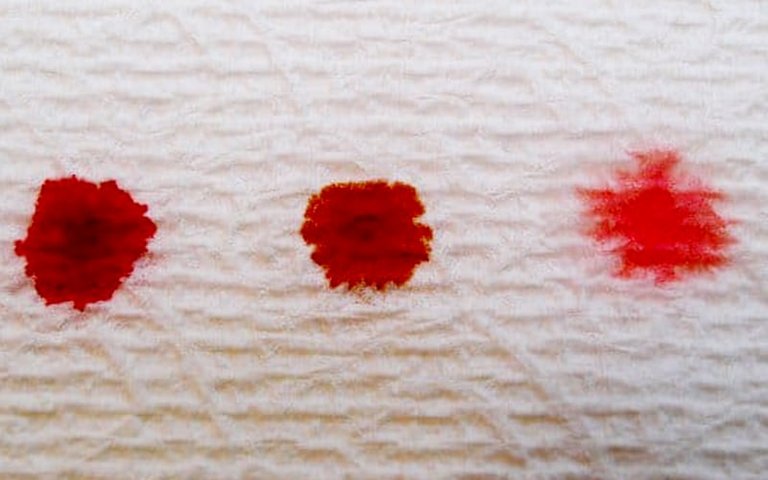
Suppressing menstruation didn't start today, in fact as far back as 1957 with the first birth pill (Enovid), it was approved by FDA is a menstruation regulator before it was approved later as a contraceptive. With contraceptives, instead of going through the different cycles in a month, the body do not just release egg and there was no pregnancy.
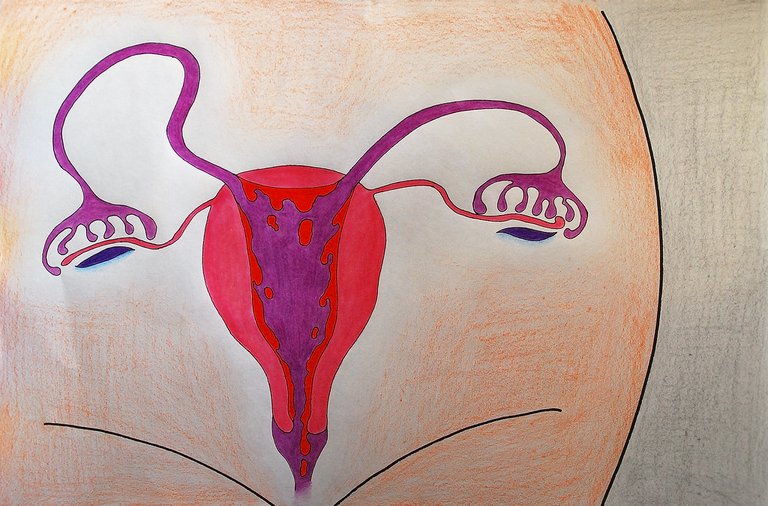
Shedding the uterine lining is important but with contraceptives that releases hormones like estrogen and progestins, then the lining of the uterus doesn't get thicken at all and in that case, there isn't a need to shed the lining and so it can be fine to avoid pregnancy.
As you have seen, this is approved for a lot of birth control pills but researchers have suggested that using them can increase the risk of clotting in the lungs and the legs. No true culprit has been found, but doctors suggest that estrogen can increase pro-clotting factors in the plasma. This was first studied in 1968 where it was seen that people who took this pills were more likely to develop this type of blood clot compared to people who didn't take the them. In 2018, another study showed that drugs like Desogestrel put people at a higher risk of developing blood clot. In all this, the risk is still very low with 12 in 10,000 people developing the side effect which is very low.
Asides from blood clot, using contraceptives has been said to weaken the bones and this is because growth hormone increases at the middle of the cycle when estrogen does as well. Researchers has put forward that hormonal contraception is more harmful to the bones compared to other options of preventing pregnancy. This study wasn't done on so many types of contraceptives but for people who use them, it has been shown that the process reverses when the pills are stopped.
Reference
https://emedicine.medscape.com/article/252928-overview
https://onlinelibrary.wiley.com/doi/pdf/10.1111/j.1542-2011.2012.00251.x
https://pmc.ncbi.nlm.nih.gov/articles/PMC2745348/
https://www.science.org/doi/10.1126/science.124.3227.891
https://pmc.ncbi.nlm.nih.gov/articles/PMC2745348/
https://www.ohsu.edu/womens-health/do-i-still-need-my-period
https://www.nature.com/articles/npjmgrav20168
https://journals.lww.com/greenjournal/fulltext/2023/11000
https://link.springer.com/article/10.1007/BF00301946
https://pmc.ncbi.nlm.nih.gov/articles/instance/2158790/pdf/jroyalcgprac00139-0011.pdf
https://pubmed.ncbi.nlm.nih.gov/34826668/
https://pmc.ncbi.nlm.nih.gov/articles/PMC11216059/
https://pmc.ncbi.nlm.nih.gov/articles/PMC2942975/
https://onlinelibrary.wiley.com/doi/pdf/10.1111/j.1542-2011.2012.00251.x
https://pmc.ncbi.nlm.nih.gov/articles/PMC2745348/
https://www.science.org/doi/10.1126/science.124.3227.891
https://pmc.ncbi.nlm.nih.gov/articles/PMC2745348/
https://www.ohsu.edu/womens-health/do-i-still-need-my-period
https://www.nature.com/articles/npjmgrav20168
https://journals.lww.com/greenjournal/fulltext/2023/11000
https://link.springer.com/article/10.1007/BF00301946
https://pmc.ncbi.nlm.nih.gov/articles/instance/2158790/pdf/jroyalcgprac00139-0011.pdf
https://pubmed.ncbi.nlm.nih.gov/34826668/
https://pmc.ncbi.nlm.nih.gov/articles/PMC11216059/
https://pmc.ncbi.nlm.nih.gov/articles/PMC2942975/
Thanks for your contribution to the STEMsocial community. Feel free to join us on discord to get to know the rest of us!
Please consider delegating to the @stemsocial account (85% of the curation rewards are returned).
Thanks for including @stemsocial as a beneficiary, which gives you stronger support.